
Russia’s lower house of parliament is preparing to hold the final two votes on the country’s first broad cryptocurrency law, bringing Moscow closer to establishing a formal system for regulating digital-asset trading, custody and cross-border transactions.
The State Duma is expected to consider the legislation on Tuesday. The proposal, officially titled “On Digital Currency and Digital Rights,” would still require approval from Russia’s upper legislative chamber and a signature from President Vladimir Putin before becoming law.
Anatoly Aksakov, chairman of the State Duma Committee on Financial Markets, expects the remaining legislative process to take approximately two weeks. The framework is scheduled to take effect on September 1 if it receives the required approvals. Russia originally planned to introduce the regulations on July 1, but coordination problems among government agencies delayed the process.
The legislation would establish a licensing system for cryptocurrency exchanges, brokers and custodians operating in Russia. Custodians are companies responsible for holding digital assets on behalf of customers, performing a role similar to a bank safeguarding traditional money or securities.
The Bank of Russia would oversee the licensing process and become the primary authority responsible for deciding which companies may legally offer cryptocurrency services. The central bank would also have the power to prohibit any digital currency it considers a potential threat to Russia’s financial stability.
Large Russian financial companies are already preparing for the new market structure. VTB and T-Bank have announced plans to establish cryptocurrency depository services that would allow them to store digital assets for customers under the developing regulatory framework.
The proposal would not allow every cryptocurrency to be freely traded through licensed Russian platforms. A digital asset would generally need to have a total market value exceeding 5 trillion rubles, or approximately $65 billion, and at least five years of verified trading history on a licensed foreign exchange.
Those requirements would currently leave Bitcoin and Ethereum as the two digital assets most clearly eligible for unrestricted organized trading in Russia.
Alexandra Fedotova, a lawyer with White Stone who has followed the legislation, said the Bank of Russia would likely publish a list containing approximately five to 10 of the most actively traded cryptocurrencies on major exchanges.
Bitcoin and Ethereum are expected to appear on that list. Solana or Toncoin could also qualify because of their popularity among Russian cryptocurrency users. Digital assets that do not receive broader approval would generally remain available only to qualified investors.
Ordinary investors without professional status or specialized credentials would face an annual cryptocurrency purchase limit of 300,000 rubles, equivalent to approximately $3,800. Those purchases would have to be completed through one licensed intermediary.
Qualified or professional investors would not be subject to the same annual purchase ceiling. However, they would still be prohibited from purchasing privacy-focused cryptocurrencies designed to conceal wallet addresses, transaction histories or the identities of people sending and receiving funds.
Monero, Zcash and Dash would be prohibited under the proposed system. Russian regulators consider those assets incompatible with the anti-money-laundering controls that licensed financial platforms would be required to perform.
Fedotova explained that regulators would reject cryptocurrencies that prevent authorities and financial institutions from tracing where money originated or identifying the parties involved in transactions. Licensed platforms would need to construct transaction histories and conduct anti-money-laundering reviews before processing activity involving approved digital assets.
Although the bill would make it easier for Russians to purchase and hold certain cryptocurrencies through regulated companies, it would not legalize cryptocurrency payments for goods and services within the country.
The Russian ruble would remain the nation’s only legal payment method for domestic purchases. Consumers would still be unable to use Bitcoin, Ethereum or another digital asset to pay for products, services or other everyday transactions inside Russia.
The legislation would instead authorize cryptocurrency use for international trade. Russian companies would be permitted to pay foreign suppliers and other international business partners with digital assets, allowing transactions to move outside conventional Western-controlled banking channels.
Kaplan Panesh, deputy chairman of the State Duma’s Budget and Taxes Committee, previously said the bill was designed to preserve the ruble’s domestic role while allowing Russian companies to use cryptocurrency when paying foreign counterparties. The arrangement could help businesses complete international transactions that have become more difficult under Western sanctions.
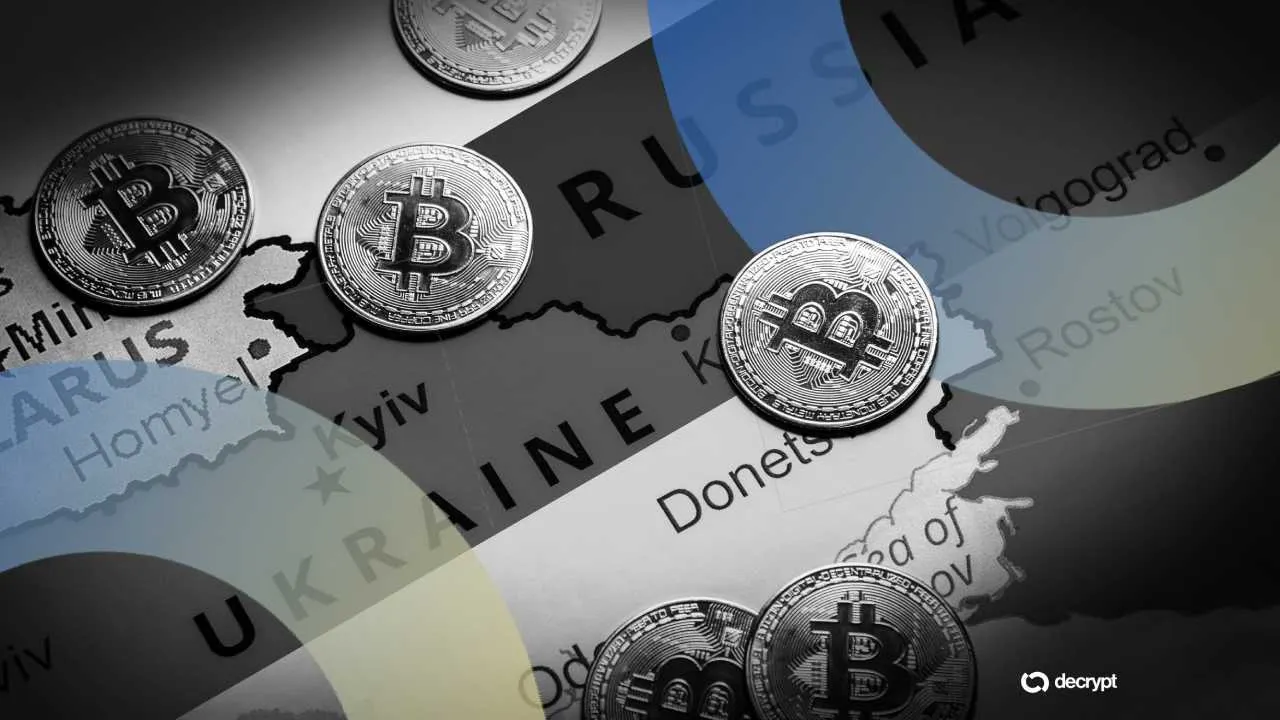
Russia has faced Western sanctions since 2014, with significantly broader restrictions imposed following its full-scale invasion of Ukraine in 2022. Those measures have limited the ability of Russian banks and businesses to access international payment networks and work with conventional financial institutions.
The European Union moved in February to prohibit cryptocurrency transactions involving Russian entities. Moscow has continued developing its digital-asset laws despite those restrictions, viewing cryptocurrency as another method for supporting foreign trade when traditional payment routes are unavailable or heavily restricted.
Russia had already taken steps to regulate cryptocurrency mining before developing the new trading and settlement framework. Putin signed a mining law in August 2024 that established rules for the country’s growing digital-asset production industry.
Russia has since become the world’s second-largest Bitcoin-producing country, behind only the United States, according to data referenced in the report. The new legislation would add exchange licensing, custody requirements, investor restrictions and international settlement rules on top of the mining regulations already in place.
The broader objective is to create a government-controlled cryptocurrency system after years in which much of Russia’s digital-asset market operated through foreign exchanges, private wallets and largely unregulated intermediaries.
The Bank of Russia would maintain records of licensed companies, establish operating standards, monitor compliance and decide which digital assets may be offered through regulated platforms. Mining would remain outside the central bank’s authority and continue to be supervised by the Federal Tax Service.
Companies would have a transition period before the government fully shuts unlicensed platforms out of the Russian market. Under the proposed timeline, cryptocurrency services operating without authorization would face a complete ban beginning July 1, 2027.
The legislation therefore represents both an expansion and a restriction of cryptocurrency activity in Russia. It would create legal access to approved digital assets and establish a formal method for using cryptocurrency in international commerce, while placing domestic trading, custody and investment under extensive government oversight.
Source: Decrypt