

The national average price for regular gasoline returned to $4 per gallon on July 20, reversing much of the relief drivers experienced during the previous several weeks.
AAA reported a nationwide average of approximately $4.00 per gallon, up 21 cents from July 7, when regular gasoline fell to $3.79. That had been the lowest national average recorded since the middle of March. The renewed increase followed another rise in crude oil prices, which placed fresh upward pressure on retail fuel costs across the country.
Gasoline prices have moved dramatically throughout 2026. Before the conflict involving Iran began, the national average was below $3 per gallon. Prices then surged to $4.56 in May before gradually retreating to $3.79 in early July.
Although the national average has now returned to $4, it remains 56 cents below the May peak. However, the increase of more than 20 cents in less than two weeks demonstrates how quickly temporary savings at the pump can disappear when oil markets reverse direction.
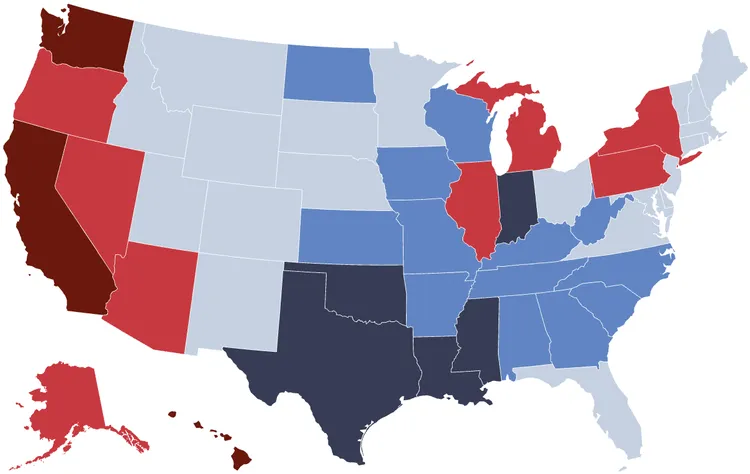
Nearly half of the country is again paying especially elevated prices. Twenty-three states had average regular gasoline prices of at least $4 per gallon, while three states remained above $5.
The least expensive gasoline was found in Indiana, where regular fuel averaged approximately $3.35 per gallon. Mississippi, Texas, Louisiana and Oklahoma were also below $3.60.
At the other end of the range, California averaged approximately $5.50 per gallon, Hawaii was near $5.42 and Washington was slightly above $5. The difference between Indiana and the most expensive state exceeded $2 per gallon, illustrating how strongly location can affect what motorists pay.
According to AAA’s July 20 data, average regular gasoline prices in each state and the District of Columbia, rounded to the nearest cent, were:
Alabama, $3.64; Alaska, $4.66; Arizona, $4.27; Arkansas, $3.61; California, $5.50; Colorado, $3.96; Connecticut, $4.10; Delaware, $3.97; District of Columbia, $4.12; Florida, $3.93; and Georgia, $3.77.
Hawaii, $5.42; Idaho, $4.06; Illinois, $4.15; Indiana, $3.35; Iowa, $3.81; Kansas, $3.67; Kentucky, $3.66; Louisiana, $3.59; Maine, $4.03; Maryland, $4.00; Massachusetts, $4.03; Michigan, $4.15; Minnesota, $3.87; Mississippi, $3.57; and Missouri, $3.65.
Montana, $4.12; Nebraska, $3.85; Nevada, $4.62; New Hampshire, $4.00; New Jersey, $4.07; New Mexico, $3.99; New York, $4.15; North Carolina, $3.68; North Dakota, $3.75; Ohio, $3.88; Oklahoma, $3.59; Oregon, $4.56; Pennsylvania, $4.19; Rhode Island, $4.04; and South Carolina, $3.68.
South Dakota, $3.87; Tennessee, $3.61; Texas, $3.57; Utah, $4.00; Vermont, $4.12; Virginia, $3.91; Washington, $5.01; West Virginia, $3.83; Wisconsin, $3.79; and Wyoming, $4.02.
The wide differences between states are produced by several factors, including fuel taxes, refinery access, transportation infrastructure, environmental regulations and the way gasoline is delivered and sold within individual markets.
Although the federal gasoline tax is consistent nationwide, state taxes and additional fees differ significantly. States with higher taxes generally maintain higher pump prices even when crude oil becomes less expensive.
Geography also matters. States located close to major refineries, pipelines and distribution centers can often obtain fuel at lower transportation costs. More isolated markets may face restricted supplies, fewer delivery options and greater shipping expenses.
Environmental requirements can add another layer of cost. California, for example, requires a cleaner-burning gasoline formulation that is produced by a relatively limited number of refineries. That requirement contributes to the state’s persistently elevated fuel prices.
Gasoline prices also have a tendency to rise more rapidly than they decline. Economists sometimes refer to this pattern as “rockets and feathers.”
When crude oil or wholesale gasoline costs increase, stations can raise their retail prices quickly to protect their margins and cover the higher replacement cost of fuel. When wholesale prices decline, retail prices frequently move downward more slowly.
Stanford economist Neale Mahoney has explained that drivers may pay less attention to competing prices while fuel costs are falling. With fewer motorists actively searching for cheaper stations, retailers face less competitive pressure to lower prices immediately.
Geopolitical events can intensify these movements because disruptions to production, refining operations or major shipping routes can quickly alter expectations about global petroleum supplies.
A previous example occurred in June 2022, when the national gasoline average briefly exceeded $5 per gallon following Russia’s invasion of Ukraine and the resulting disruption to international energy markets.
The latest return to $4 shows that fuel costs remain highly sensitive to oil prices and geopolitical developments. For consumers, checking state averages may be useful before traveling, particularly when a route crosses state borders and offers an opportunity to purchase gasoline in a less expensive market.
Source: Investopedia